Louder engine noise
Reduced lubrication can make mechanical running noise more noticeable.
Italian-made Pakelo engine oil · Transmission, differential, brake and steering fluids · Fuel, air, cabin and oil filters. Regular maintenance is a cost-effective choice.
A louder engine, reduced power, increased fuel consumption or sluggish acceleration may indicate maintenance is due. Regular servicing is more economical than waiting for a breakdown and potentially much higher repair costs.
Our recommended engine oil is Italian-made Pakelo. Its lubricant technology and formulations, combined with proper replacement procedures, help protect the engine and improve responsiveness. We also change transmission, differential, brake and steering fluids and fuel, air, cabin and oil filters as required.
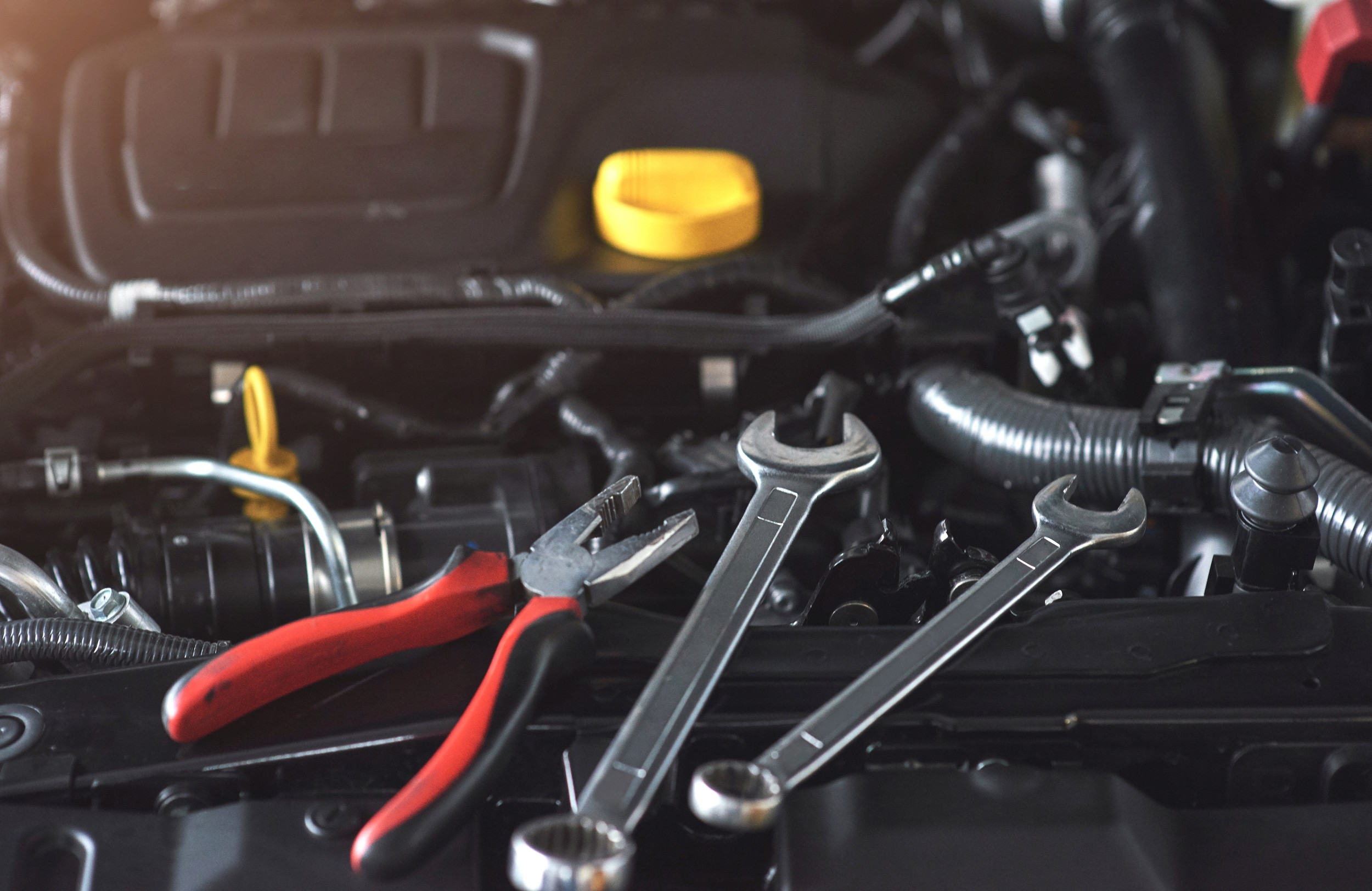
Engine oil lubricates internal components and reduces friction. Deteriorated oil may contribute to the following changes.
Reduced lubrication can make mechanical running noise more noticeable.
Higher internal resistance may make the engine feel less powerful.
Reduced efficiency can mean more fuel is needed for the same journey.
Throttle response may become slower; an appropriate oil change can help restore smoothness where degraded oil is responsible.
If symptoms remain after an oil change, spark plugs, coils or injectors may be involved. Arrange Specialist engine repairs checks or use Computer diagnostics to read fault codes.
Follow the manufacturer’s handbook. These are general reference intervals; the correct schedule depends on oil specification, vehicle and driving habits.
Generally less expensive, with more limited performance. A common reference interval is around 5,000 km or three months.
Offers improved performance over mineral oil. A common reference interval is around 7,000–10,000 km or six months.
Generally provides strong protection and durability. Many modern vehicles specify around 10,000 km; always follow the handbook.
Frequent congestion and short journeys can accelerate oil deterioration. A reference interval is around 5,000–7,500 km under demanding conditions. Leaving oil unchanged can cause sludge, increased friction and, in severe cases, engine damage.
The numbers and letters on an oil container have specific meanings. Choose the viscosity and performance specification stated in the vehicle handbook.
W stands for Winter. The preceding number is the low-temperature flow grade; a lower number indicates better cold flow. The following number is the high-temperature viscosity grade.
The American Petroleum Institute’s oil standard. Petrol-engine categories begin with S, such as SN and SP; later categories represent newer specifications.
European Automobile Manufacturers’ Association specifications, such as A3/B4 and C3, commonly required by European vehicles.
Viscosity describes oil thickness, while performance specifications determine engine suitability. Two 5W-30 oils may have different API, ACEA or manufacturer approvals. Do not choose thicker oil solely because the weather is hot, mileage is high or the engine sounds louder.
Besides engine oil, other vehicle fluids require checks and replacement according to the handbook.
Lubricates and protects the transmission. Automatic, CVT, dual-clutch and manual transmissions use different specifications that must not be mixed.
Lubricates the differential and reduces gear wear.
Absorbs moisture, lowering its boiling point. Replacement is commonly recommended about every two years.
Used in hydraulic power steering. Electric power-steering systems do not use this fluid.
Follow the handbook and original specification. A general reference is inspection or replacement around 30,000–80,000 km. CVTs require dedicated CVT fluid, not conventional ATF. Arrange prompt checks for rough shifting, unusual vibration or warning lights.
Each filter serves a different purpose. Blockages can reduce engine or air-conditioning efficiency, so regular replacement matters.
Removes contaminants from engine oil. Usually replaced with the oil.
Filters air entering the engine. A blockage can restrict airflow and power.
Filters air entering the passenger compartment. A blockage can weaken airflow and cause odours.
Removes fuel contaminants to protect the fuel system.
Cabin filters closely affect air-conditioning performance. We recommend including filter replacement in annual system servicing. See air-conditioning specialist。
Four steps from booking to collection.
Provide your vehicle model and year by WhatsApp or phone to arrange a visit.
Select the appropriate Pakelo oil for your vehicle’s required viscosity and performance standard.
Drain old oil, replace the oil filter and add fresh oil. Replace other fluids and filters as required.
Collect the vehicle after completion, with any other necessary checks arranged as required.
For other repair questions, see vehicle maintenance FAQs。
Follow the handbook. General references are around 5,000 km or three months for mineral oil and 7,000–10,000 km or six months for semi-synthetic oil. Many modern vehicles specify around 10,000 km. Congestion and short trips may require shorter intervals.
Louder engine noise, reduced performance, increased fuel consumption and sluggish acceleration indicate that the engine and oil condition should be checked.
Do not rely on mileage alone. Oil oxidises and deteriorates over time, so schedules usually specify both distance and time, whichever comes first. Short journeys may prevent the engine reaching full temperature and can accelerate oil degradation.
Old oil can form sludge, obstruct circulation and increase friction. This may cause overheating, increased oil consumption and serious engine damage with high repair costs.
It is a viscosity grade. W means Winter; the first number indicates low-temperature flow, with lower numbers flowing more readily in cold conditions. The second is the high-temperature viscosity grade. Follow the handbook rather than changing viscosity without advice.
API is the American Petroleum Institute’s oil standard, with petrol-engine categories beginning with S. ACEA is the European manufacturers’ standard, often required by European vehicles. Check both viscosity and performance approval when choosing oil.
The difference lies in base-oil purity and stability, not viscosity alone. Mineral oils generally cost less and require shorter intervals; semi-synthetic oils improve on their performance, while fully synthetic oils generally offer stronger protection and durability.
Pakelo is made in Italy and is our recommended engine-oil brand. Its lubrication technology and formulations, used with proper replacement procedures, help protect the engine.
Usually yes. The oil filter removes contaminants, and an old filter can contaminate fresh oil more quickly.
Follow the handbook and original specifications. Automatic, CVT, dual-clutch and manual transmissions may use different fluids and intervals. A general reference is 30,000–80,000 km, with earlier checks for frequent congestion, short trips or high-temperature use.
No. A CVT requires its specified CVT fluid. Using conventional ATF can cause belt slipping and damage.
Brake fluid absorbs moisture, lowering its boiling point. Repeated braking may then cause vapour lock and a soft pedal. Replacement is commonly recommended around every two years, or as specified by the manufacturer.
Differential oil lubricates the differential. Power-steering fluid is used in hydraulic steering systems; electric power steering does not use it. Follow the manufacturer’s inspection and replacement schedule.
The engine-air filter cleans incoming engine air; the cabin filter cleans air entering the passenger compartment; the fuel filter removes fuel contaminants; and the oil filter removes oil contaminants. Each has a distinct role and requires regular replacement.
Yes. Our one-stop workshop can combine oil changes with pre-inspection checks, filter replacement and free on-site air-conditioning inspection.
Learn about annual inspection arrangements|Learn about free air-conditioning checks
Call or WhatsApp 61889798 or use the online form, providing the model and year. We are at Units A7 & A8, G/F, Block A, Proficient Industrial Centre, 6 Wang Kwun Road, Kowloon Bay, Hong Kong, and open every day, including Sundays and public holidays.
Speak directly with our team for advice and appointments. Call 61889798 or WhatsApp 61889798
Contact and bookings